
The recognition of ancestral rights is one of the fundamental pillars of economic reconciliation between Indigenous peoples and Quebec. Yet, even today, land claims are often criticized and misunderstood, both in the public sphere and in political, economic and legal circles…
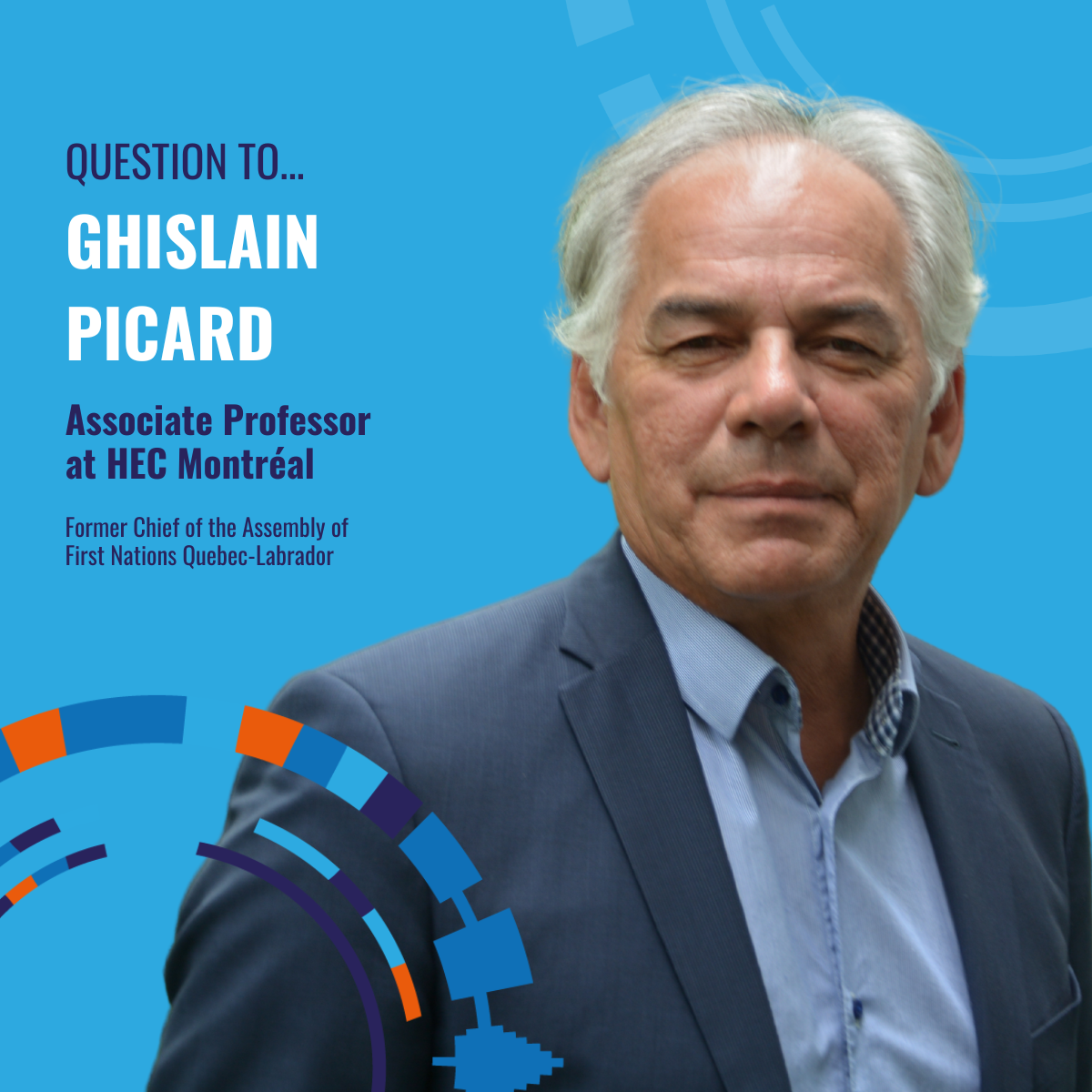
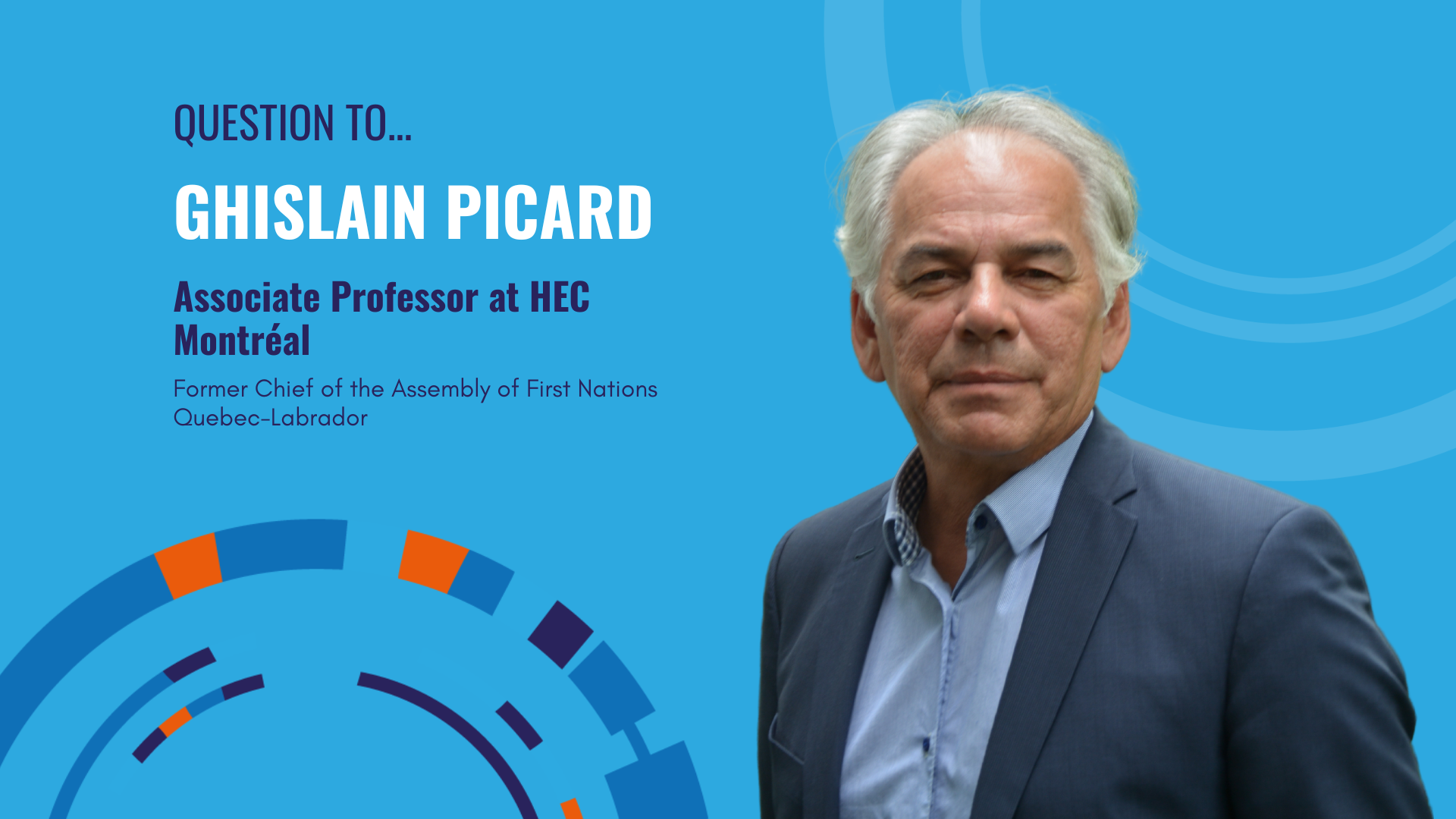
To better understand this phenomenon, we asked Ghislain Picard, Associate Professor at HEC Montréal and former Chief of the Assembly of First Nations Quebec-Labrador, the following question: What do you say to those who claim that the recognition of ancestral rights hinders reconciliation and economic development?
«
Contrary to what we still too often hear, I believe that the recognition of ancestral rights constitutes a means of fostering economic development for First Nations, enabling them to lay the foundations for their own economies. It is rather the failure to recognize ancestral rights and Indigenous title to the land that creates uncertainty and contributes to slowing down any project that seeks to involve First Nations in any development on their traditional territories.
No one can deny that this is a highly political issue, and ironically, this is precisely where the obstacles arise in terms of certainty, which would serve as leverage for communities seeking winning conditions for their participation.
It is undoubtedly worth recalling an example here in Quebec that confirms that denying or attempting to circumvent this political, constitutional and legal reality can potentially be a thorn in the side of an industry that would like to invest in projects, particularly those located on the ancestral lands of First Nations, to which unextinguished title still exists. In the early 1970s, Quebec thought it had the wind in its sails when it proposed the construction of a gigantic hydroelectric project in the James Bay region. The work quickly hit a wall after the Cree Nation filed for an injunction, which led to a judgment that forced the Liberal government to sit down and negotiate an agreement with three nations before the work could continue.
That was 50 years ago, and things have since evolved. The law has also evolved, particularly with regard to the principles that should ideally create a balance of power for First Nations. In addition to these principles, there is also the principle of free, prior and informed consent, as stipulated in the United Nations Declaration on the Rights of Indigenous Peoples. Despite these advances, political will to respect this new order has been slow to materialize. Considering the current political context, both federal and provincial, continued vigilance remains essential.
However, as we are seeing, industry, the business world and the economic community are much more educated and sensitive to these new standards and are often willing to build meaningful partnerships with First Nations based on them.
»
One thing is clear: recognition should not be seen as a concession, but rather as the basis for a fair and lasting partnership. The conversation is open.