
On February 3 and 4, the Grand Economic Circle of Indigenous Peoples and Quebec (GECIPQ) held the Anchoring Today, Building Tomorrow event at the Hotel Le Bonne Entente in Quebec City!
This event brought together more than 300 participants, including Indigenous and Quebec economic, political, and business players. The extensive program featured nearly 30 panelists and speakers who took stock of economic reconciliation in Quebec by reviewing successes and lessons learned in recent years, identifying ongoing challenges, and collectively reflecting on priorities and objectives for the future.
FEBRUARY 3 | ANCHORING TODAY
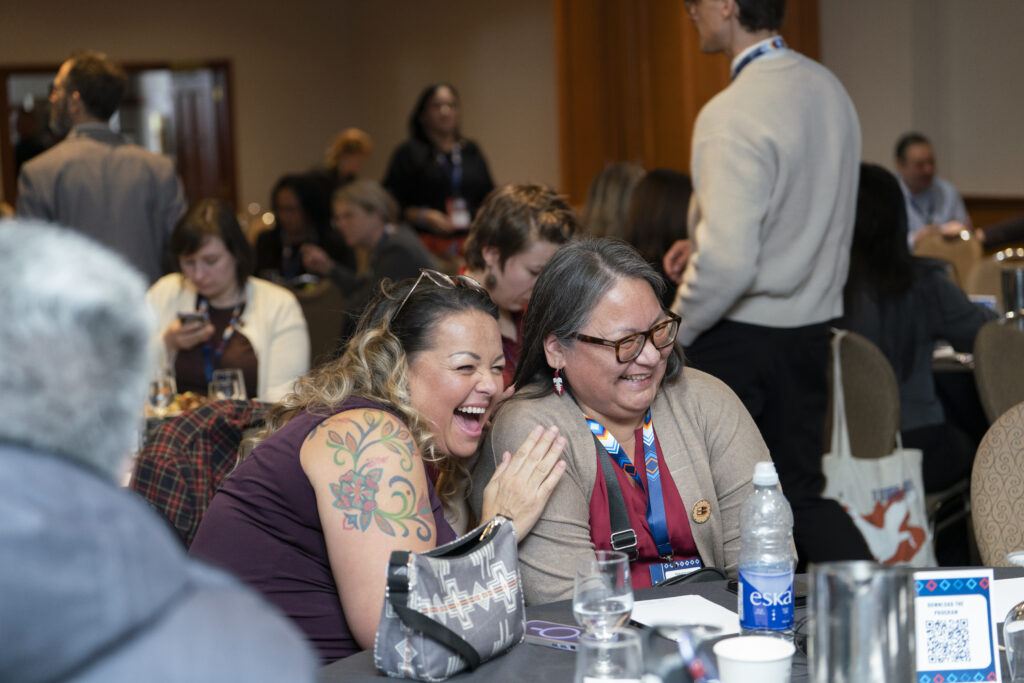
The first day allowed us to assess the progress made in terms of economic reconciliation between Indigenous Peoples and Quebec, as observed by the Grand Economic Circle since 2021. During the morning’s review, three key findings emerged:
- More than 110 businesses and organizations have made over 230 commitments to economic reconciliation as part of the movement since its launch.
- Eight events have been organized across Quebec, including a launch event, five regional economic circles, an annual gathering, and the current event.
- More than half of the participating organizations have observed a tangible improvement in terms of relations and trusting atmosphere with Indigenous communities.
- Nearly two-thirds of the participating organizations plan to strengthen or formalize their partnerships with Indigenous communities and businesses, demonstrating a clear commitment to building long-term relationships.
The day continued with a panel discussion featuring former hosts of Regional Economic Circles. The discussions highlighted the tangible outcomes of these major events: lasting collaborations, mutual learning, but also the very real challenges related to transforming commitments into long-term partnerships.
At 1:30 p.m., a panel of players involved in economic reconciliation with Indigenous Peoples shared their field observations and successful projects. Through concrete examples, they revealed the challenges encountered, the winning approaches, and the lessons learned for transforming commitments into sustainable partnerships.
Finally, a panel including representatives from Hydro-Québec, Alto, and the Commission de la construction du Québec (CCQ) addressed a key issue: how to integrate economic reconciliation into organizational strategy.
The day concluded with an evening banquet hosted by TELUS.

FEBRUARY 4 | BUILDING TOMORROW
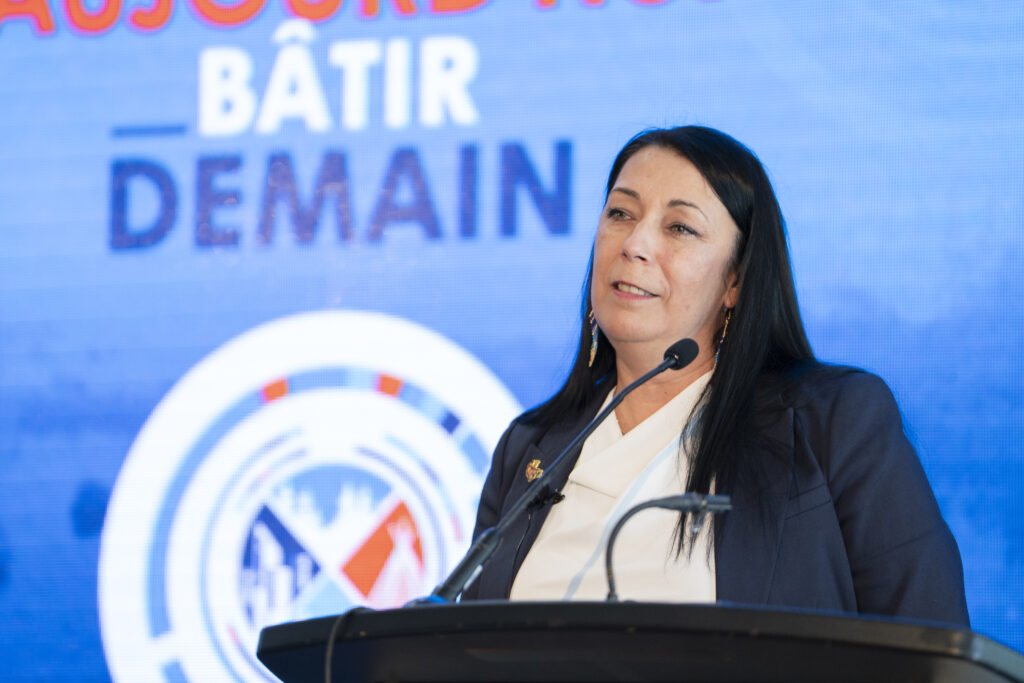
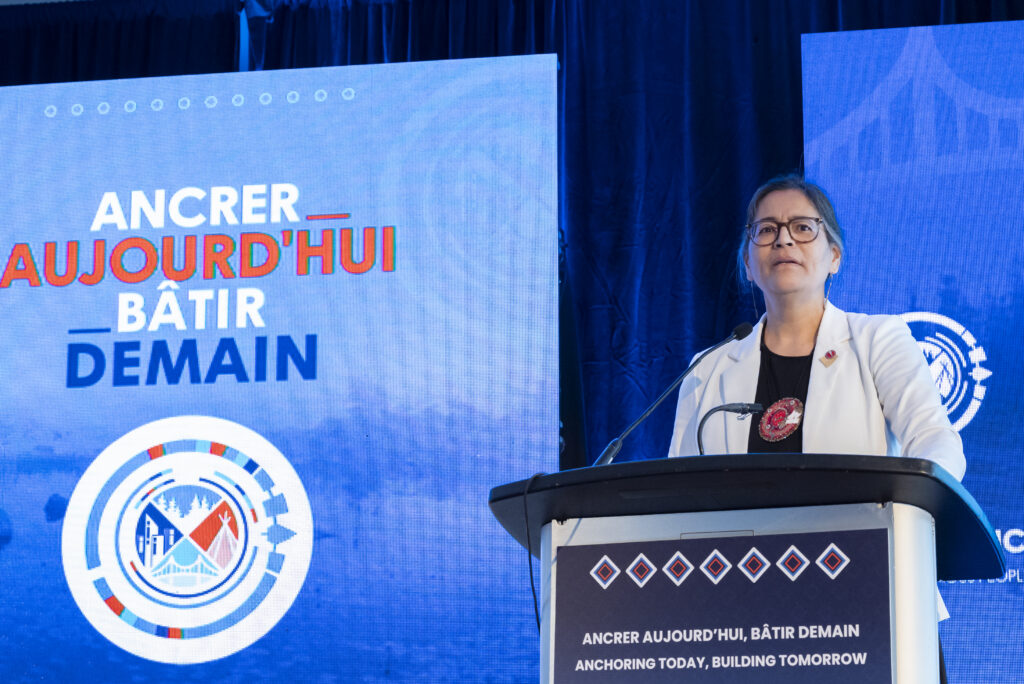
The second day was decidedly forward-looking. The Honourable Michèle Audette, Senator, opened the event with a conference marked by sincerity, drawing on her culture and lived experience while establishing essential connections with the historical context and the place of First Nations in Quebec’s economy.
The morning continued with the Indigenous Women’s Leadership panel, which featured Marie St-Gelais, Monika Ille, Catherine Boivin and Tammy Beauvais, four women who are transforming the socioeconomic and entrepreneurial landscape of First Nations.
The morning of February 4 concluded with a panel that offered a cross-disciplinary perspective on current realities, persistent challenges, and growth drivers that shape the socioeconomic future of the communities. By presenting promising projects in education, tourism, housing, economic development and entrepreneurship, the discussions clarified how Quebec businesses and organizations can collaborate concretely and respectfully to support First Nations objectives and actively contribute to economic reconciliation.
At 1:00 p.m., participants were offered a presentation on procurement as a strategic lever for economic reconciliation. Specifically, it aimed to provide Quebec organizations with avenues for collaborating on procurement with Indigenous organizations.
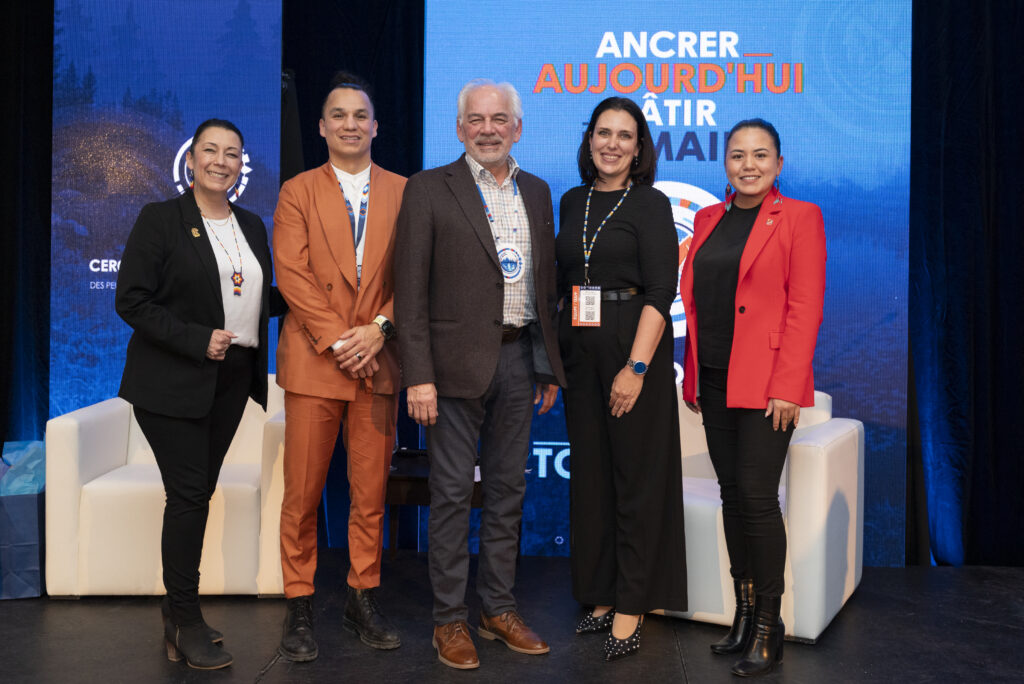
The day concluded with a highly anticipated exchange between the Chief of the Assembly of First Nations Quebec-Labrador, Francis Verreault-Paul, and his predecessor, Ghislain Picard, who is now an associate professor at HEC Montréal. Together, they had an inspiring discussion that strongly reaffirmed the First Nations’ determination to assert their place in Quebec’s economy, placing economic and legislative reconciliation at the heart of transformative efforts.
CLOSING REMARKS
We would like to sincerely thank all the participants, panelists and speakers who actively contributed to making this event a turning point for economic reconciliation in Quebec.
Our thanks also go out to our sponsors: Hydro-Québec, Alto, TELUS, CN, First Nations Executive Education (FNEE), Pomerleau, and the RBA Financial Group.
The reflection on the pursuit of economic reconciliation between Indigenous Peoples is now anchored today. All that’s left is to build tomorrow!